


Cross-Contamination Problem
Understand how contamination spreads in facilities and steps to keep hygiene and safety intact.
Reducing risks from Cross-Contamination Problem
Contamination risks spread germs, create odors, and lower comfort. Spot problem sources and apply routine cleaning, adequate supplies, and airflow improvements to maintain hygiene standards.

Why Cross-Contamination Problem Occurs
Insufficient Cleaning Frequency
Lack of routine sanitization lets contaminants accumulate.
High Usage without Maintenance
Continuous use without scheduled upkeep leads to hygiene failures.
Poor Ventilation
Restricted airflow traps moisture, encouraging odor and bacterial growth.
Lack of Supplies
Missing soap, towels, or tissue hinders proper hygiene.
Faulty Fixtures
Leaks or broken dispensers compromise usability and cleanliness.
Neglected Waste Disposal
Overflowing bins discourage proper disposal and spread mess.
Best practices to solve Cross-Contamination Problem
Scheduled Cleaning Plans
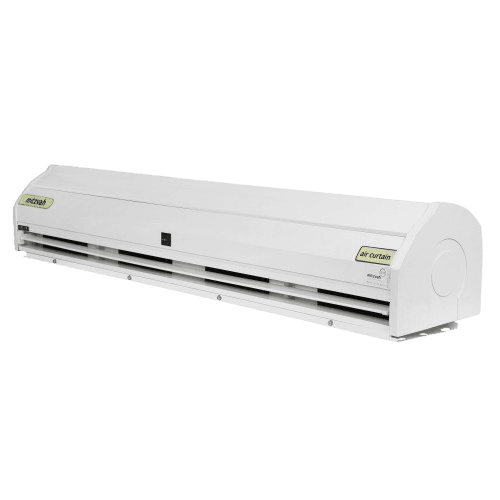
- Clean high-risk areas at fixed daily intervals.
Supply Monitoring
- Track and restock soap, tissue, and towels promptly.
Ventilation Improvements
- Enhance airflow to reduce odor and airborne contaminants.
Solutions
Mitzvah provides integrated products to control cross-contamination effectively.

Commercial Air Curtains
Acts as a barrier to block dust entry and improve energy use.
Industrial Air Curtains
Strong airflow seals large openings, reducing dust infiltration.
Mitzvah Solutions for the Cross-Contamination Problem
Operational Benefits
- Lower filter upkeep
- Improve HVAC efficiency
- Extend equipment lifespan
Comfort Benefits
- Cleaner indoor spaces
- No dust drafts
- Better air quality perception
Environmental Benefits
- Reduced airborne particles
- Lower energy demand
- Support green efforts
Performance Benefits
- Maintain clean zones despite:
- • Traffic changes
- • Open doors
- • Nearby dust sources
- • Harsh environments
Industries impacted by Cross-Contamination Problem

Hospitality & Retail
Guest areas exposed to airborne particles from high-traffic zones lower experience quality.

Pharma & Healthcare
Sterile zones are compromised when pollutants enter controlled environments.

Food Processing & Kitchens
Airborne particles affect hygiene and raise cleaning demands.
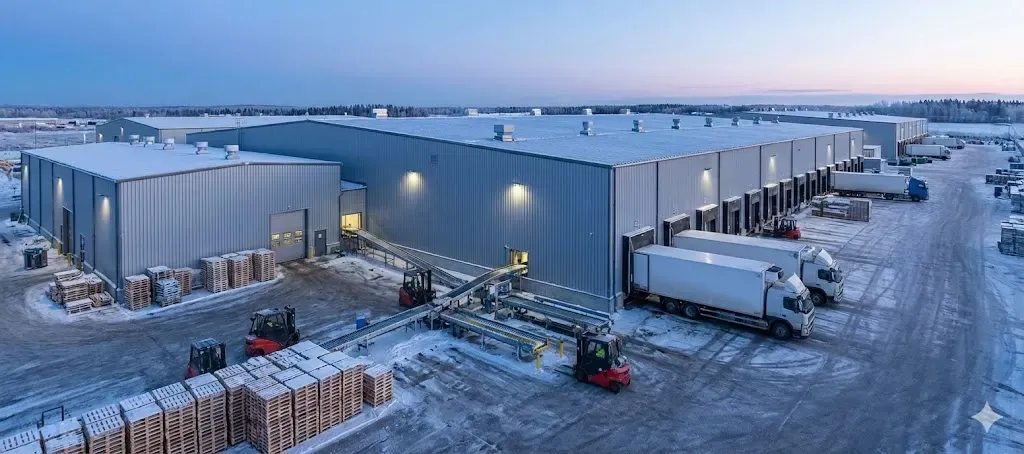
Cold Storage & Warehousing
Particles settling on goods reduce storage air quality.
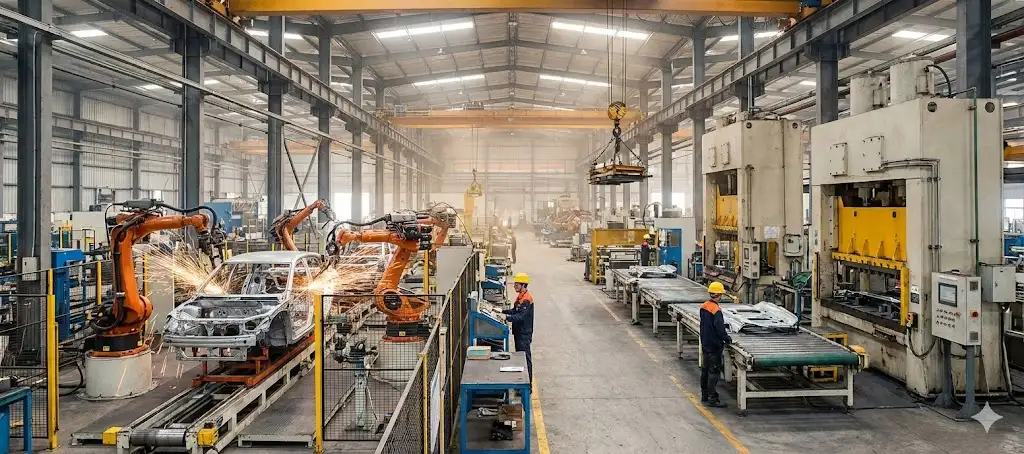
Industrial Manufacturing
Production quality drops when contaminants spread through air movement.

Government & Institutional Buildings
Special-use areas lose air quality when particles circulate unchecked.
Cross-Contamination Applications
Solutions to reduce contamination spread in:

Main entrances and storefronts

Kitchen zones facing Cross-Contamination Problem from dust or pollutants

Washrooms needing control against Cross-Contamination Problem sources

Clean rooms sensitive to health risks from Cross-Contamination Problem

Cold storage entry points needing barriers to Cross-Contamination Problem
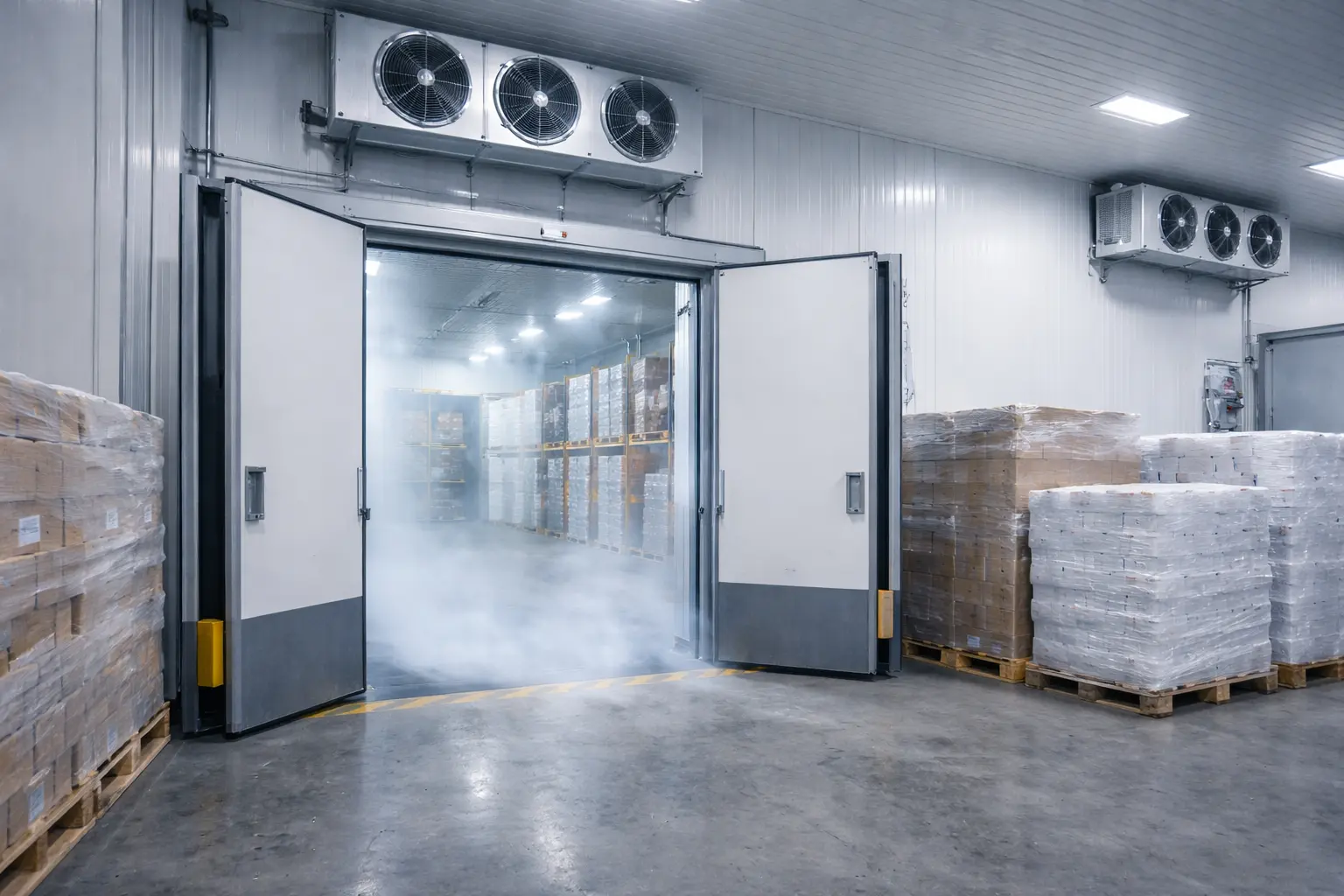
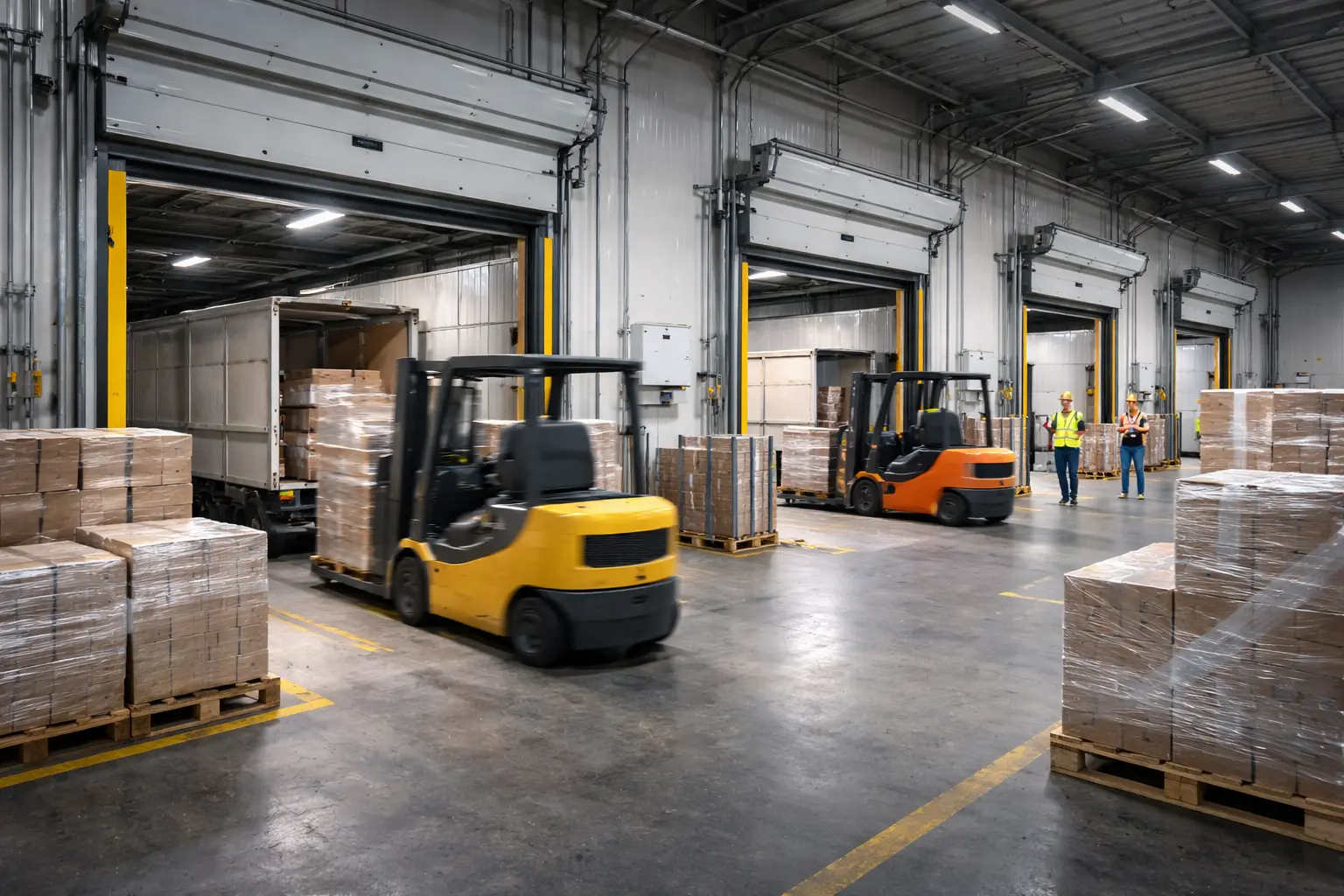
Industrial docks at risk of Cross-Contamination Problem spread
Customer areas where Cross-Contamination Problem impacts experience
Main entrances and storefronts
Kitchen zones facing Cross-Contamination Problem from dust or pollutants
Washrooms needing control against Cross-Contamination Problem sources
Clean rooms sensitive to health risks from Cross-Contamination Problem
Cold storage entry points needing barriers to Cross-Contamination Problem
Industrial docks at risk of Cross-Contamination Problem spread
Customer areas where Cross-Contamination Problem impacts experience
FAQs
Answers to common Cross-Contamination Problem concerns
• Yes. They limit airborne transfer and support hygiene standards.
• Yes. They work effectively during motion or routine use.
• Regular cleaning and airflow checks are advised.
• Around 3.0–3.5 m/s; slower speeds may reduce protection.
Continuous Expert Support for Cross-Contamination Problem
On-call guidance, monitoring, and quick help as needed