

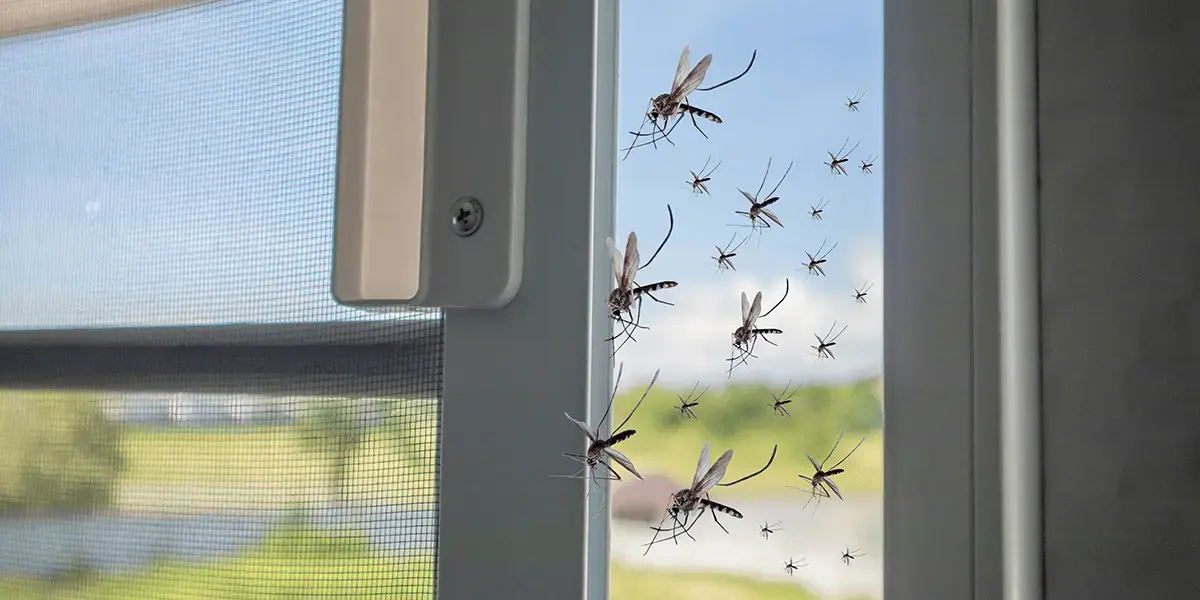
Insect entering Indoors problem
Stopping Insects at Open Entrances
Unprotected doorways let insects enter freely into commercial and residential spaces. This can lead to hygiene concerns, discomfort, and potential contamination of products.
Mitzvah provides airflow-based entry barriers that create an invisible shield against flying insects while allowing smooth people and goods movement. Our systems help keep indoor areas clean, maintain hygiene standards, and reduce pest-related incidents in real-world conditions.
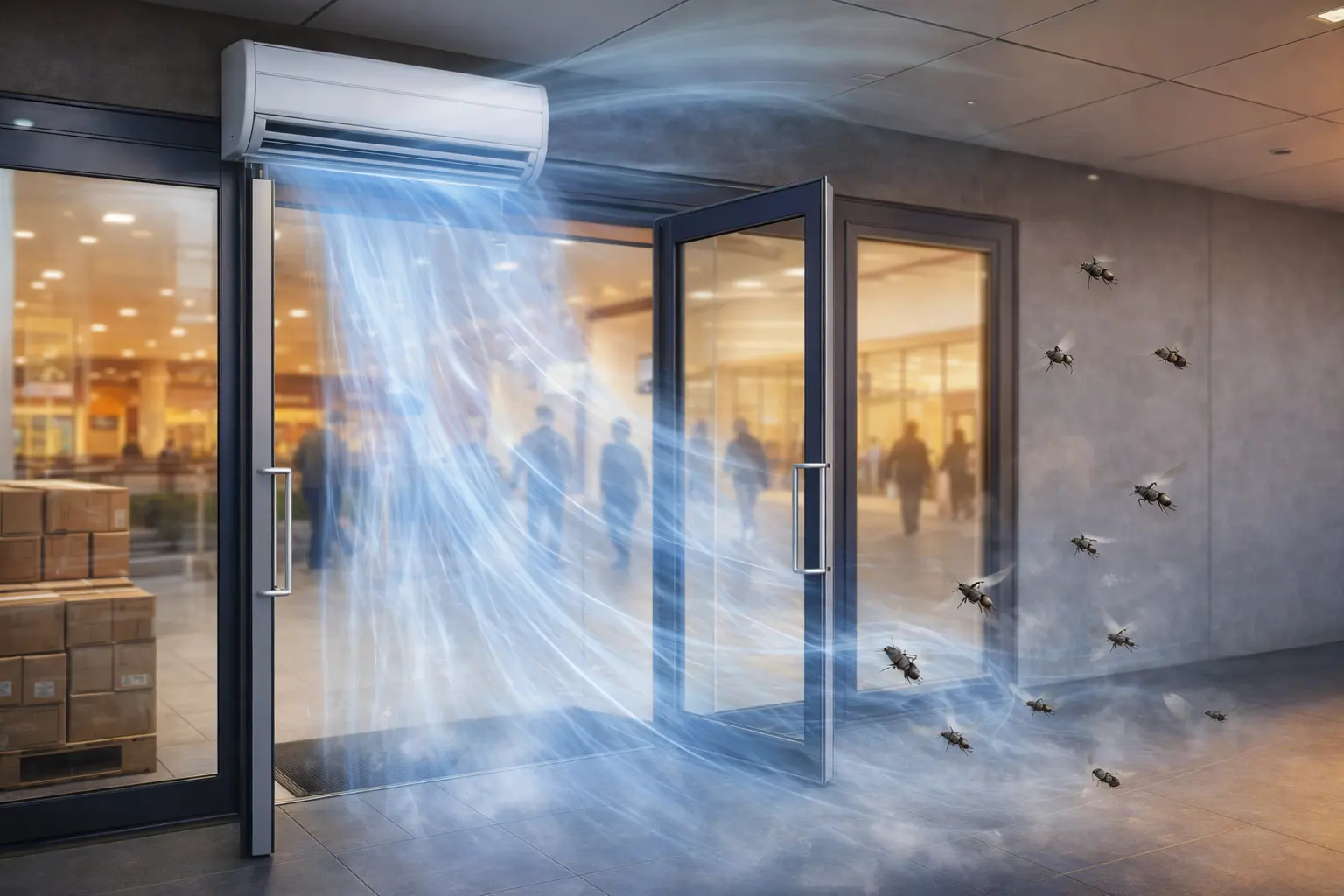
Why the Insect entering Indoors problem occurs
Doors Open for Extended Periods
Uncovered, frequently open entrances give insects direct access inside.
Outdoor to Indoor Attraction
Light, odor, or food sources indoors draw insects from outside.
Airflow Patterns
Air movement can carry flying insects into indoor spaces unintentionally.
Gaps and Poor Sealing
Cracks and loose seals provide small insect entry points even with doors closed.
High Foot Traffic
Busy pedestrian flow holds doors open longer, increasing risk of insect entry.
Ineffective Entry Management
Lack of coordinated barriers or deterrents makes pest control less effective.
Key products to address the Insect entering Indoors problem
Commercial Air Curtains
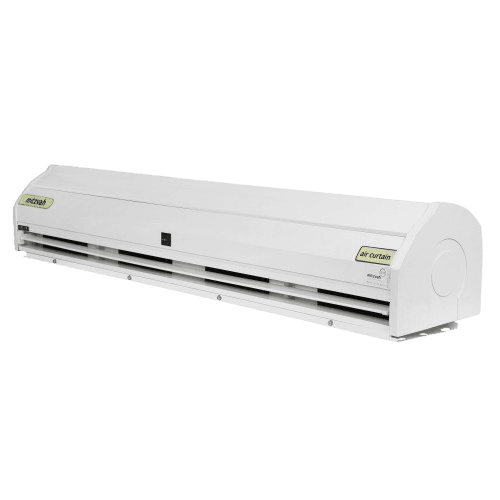
- Block flying insects by creating a controlled air barrier.
Industrial Air Curtains
- Seal large openings against insect intrusion while allowing workflow.
Heavy-Duty Insect Control Curtains
- Strong airflow deters insects in challenging, high-traffic environments.
Solutions
Mitzvah offers integrated products to prevent insects entering indoors.

Commercial Air Curtains
Forms an invisible barrier to keep insects out without blocking movement.
Industrial Air Curtains
High-power airflow shields large doorways from insect intrusion.
Mitzvah solutions for the Insect entering Indoors problem
Hygiene Benefits
- Reduce contamination risk
- Support cleanliness
- Meet sanitation standards
Comfort Benefits
- Fewer insect-related nuisances
- Improved comfort near entrances
- Peace of mind indoors
Operational Benefits
- Protect goods and inventory
- Avoid pest-related delays
- Lower control costs
Performance Benefits
- Maintain insect-free spaces despite:
- • Busy entryways
- • Open access points
- • Warm conditions
- • Seasonal changes
Industries affected by the Insect entering Indoors problem

Hospitality & Retail
Open doors and customer flow make it easy for insects to get inside.

Pharma & Healthcare
Critical hygiene areas face risks when insects enter through open access points.

Food Processing & Kitchens
Insects are drawn by odors and food, entering via open work areas.

Cold Storage & Warehousing
Seasonal changes drive insects toward sheltered, food-related storage areas.

Industrial Manufacturing
Large gates and constant traffic allow insect intrusions during operations.

Government & Institutional Buildings
High visitor entries make controlled pest prevention essential.
Insect Problem Applications
Solutions to prevent insects entering indoors in:

Main entrances and storefronts

Kitchen zones prone to Insect entering Indoors problem
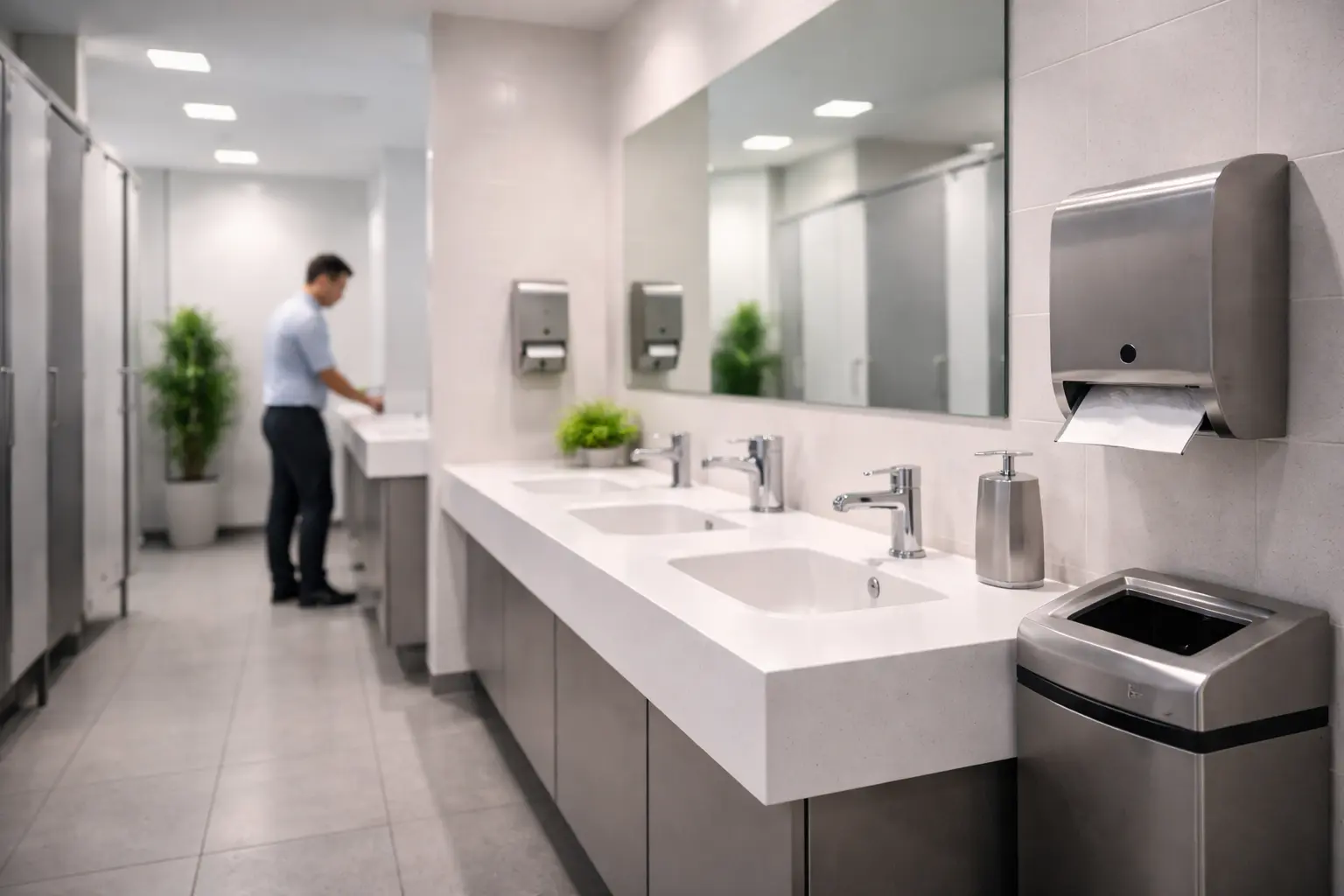
Washrooms and hygiene spaces at insect risk

Healthcare and pharma areas needing insect control

Cold storage access vulnerable to insects
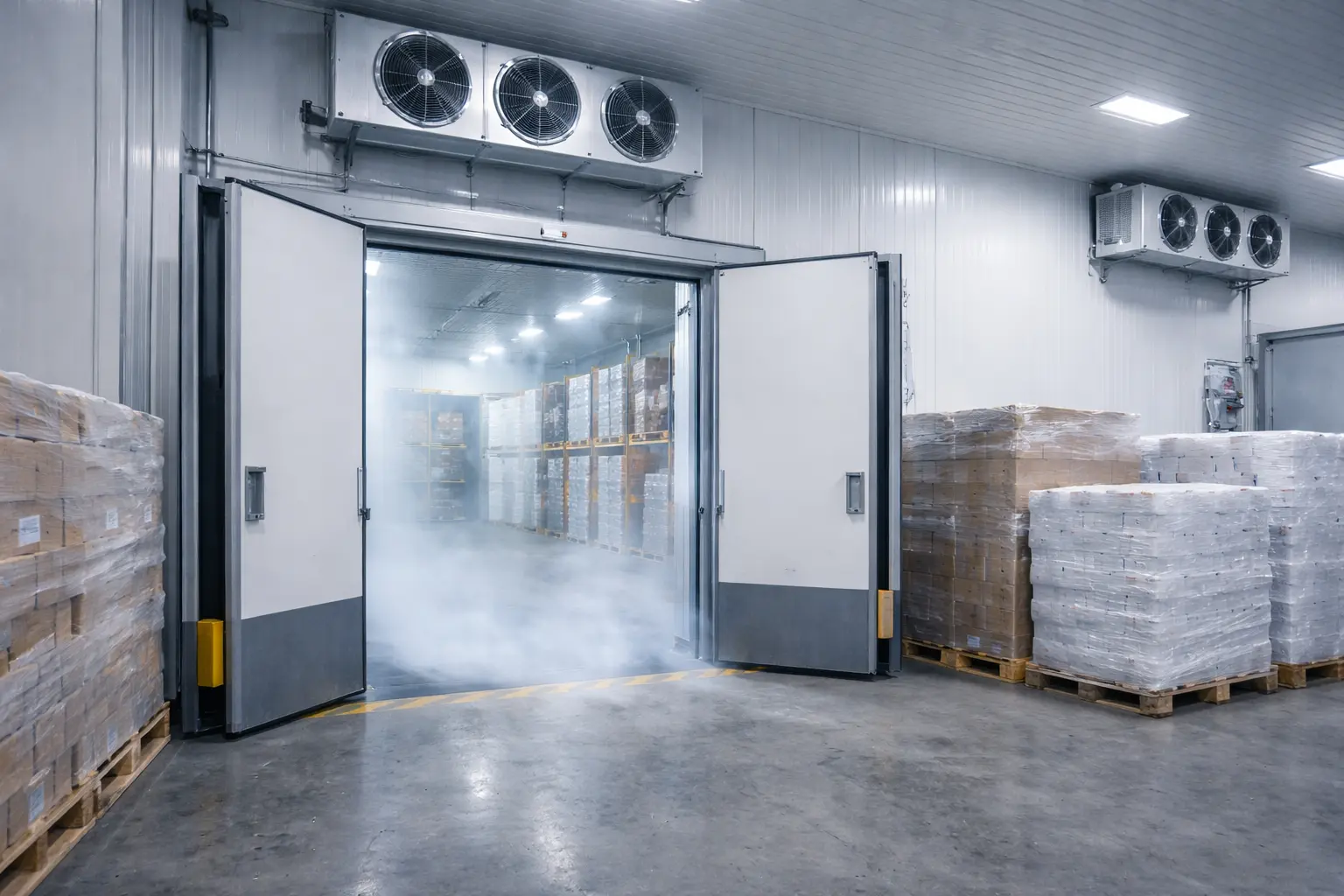
Industrial docks—high insect entry risk areas

Reception zones needing insect prevention
Main entrances and storefronts
Kitchen zones prone to Insect entering Indoors problem
Washrooms and hygiene spaces at insect risk
Healthcare and pharma areas needing insect control
Cold storage access vulnerable to insects
Industrial docks—high insect entry risk areas
Reception zones needing insect prevention
FAQs on Insect entering Indoors problem
Answers to common insect prevention questions
• Yes. They create a barrier that discourages insects while maintaining airflow.
• Yes. Properly installed units work reliably during motion.
• Regular cleaning and checking seals ensure better protection.
• Around 3.0–3.5 m/s; below 2.7 m/s may let insects slip through.
Continuous Support for Insect entering Indoors problem
Expert guidance, monitoring, and quick response