

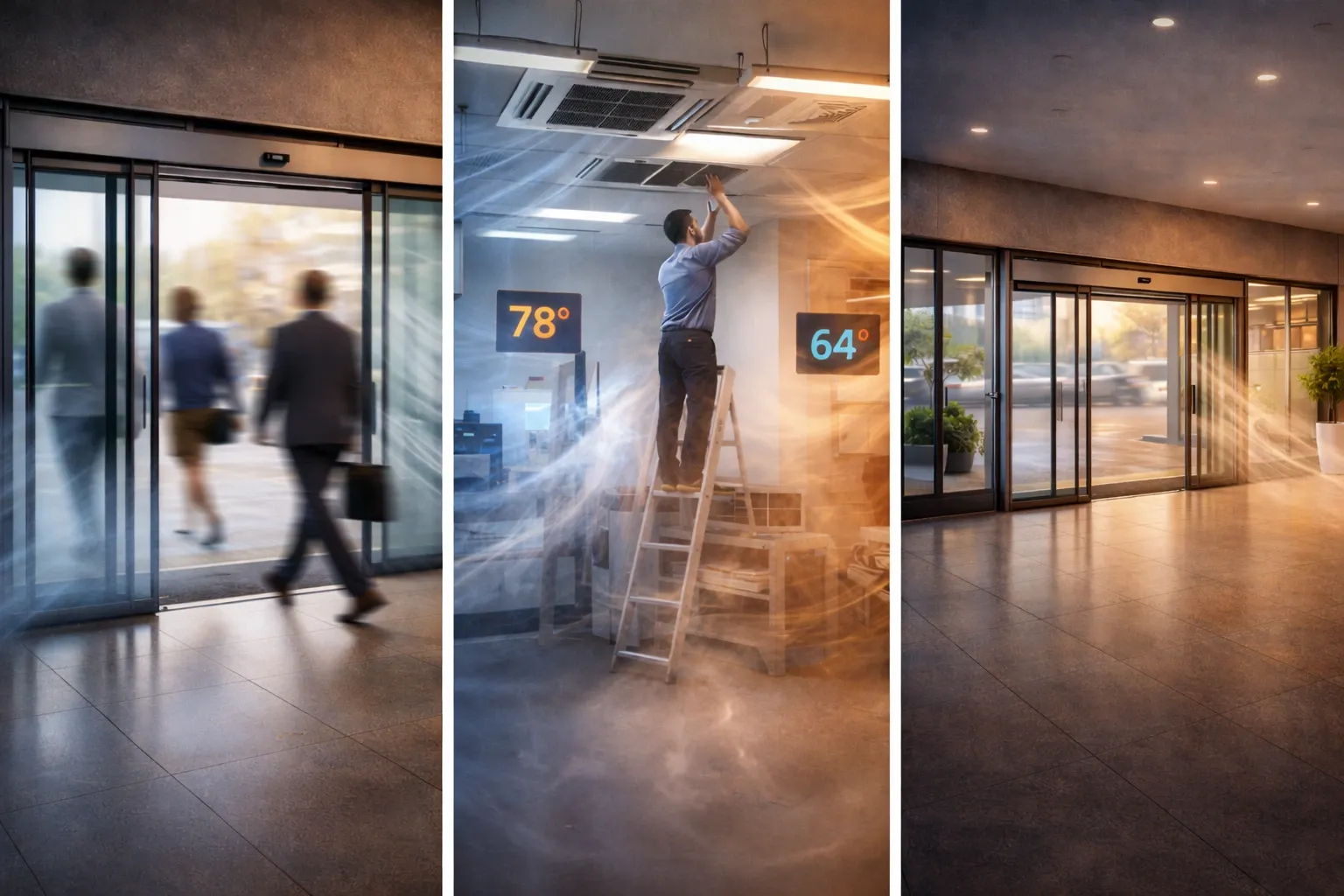
Frequent door usage problem
See how repeated door operation impacts comfort and energy use, plus steps to minimize strain and maintain stability.
Reducing risks from Frequent door usage problem
Regular door traffic can unsettle indoor conditions, increase energy waste, and affect equipment. Monitor usage patterns, maintain seals, and install flow-control solutions.
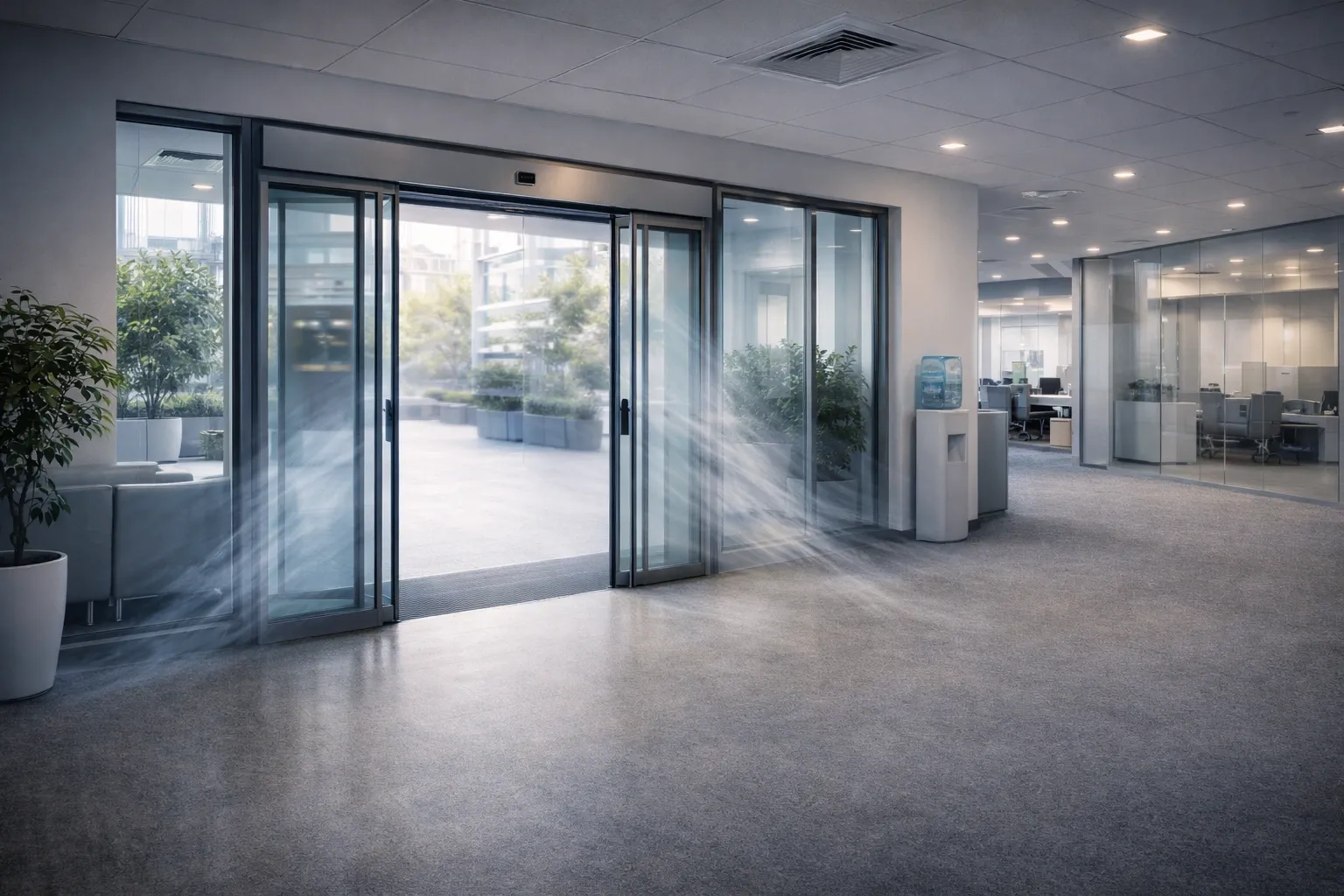
Why Frequent door usage problem occurs
High Visitor Traffic
Constant entry and exit exposes interiors to climate variations.
Weak Seal Integrity
Damaged or worn seals let uncontrolled air flow through gaps.
Poor Vestibule Design
Single-door entryways lack barriers to buffer external conditions.
Unmanaged Opening Schedules
Doors left open unnecessarily disrupt balance and efficiency.
Faulty Door Closers
Delayed or failed closing increases exposure to drafts.
Obstructed Entry Paths
Clutter can prolong door openings and worsen air exchange.
Best practices to solve Frequent door usage problem
Install Air Curtains
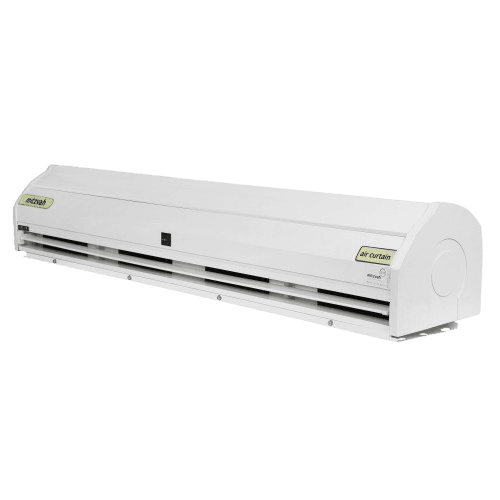
- Create an airflow barrier to reduce indoor condition changes.
Maintain Door Hardware
- Check closers, hinges, and seals regularly for smooth operation.
Optimize Entry Layout
- Add vestibules or buffers to minimize outdoor air infiltration.
Solutions
Integrated tools and solutions to manage frequent door movement and minimize air exchange.

Commercial Air Curtains
Creates a controlled airflow barrier, reducing drafts and stabilizing pressure.
Industrial Air Curtains
High-capacity airflow helps seal large openings and maintain indoor pressure.
Advantages of Solving the Frequent Door Usage Problem
Operational Benefits
- Lower maintenance demand
- Improve balance in airflow
- Extend HVAC lifespan
Comfort Benefits
- Even temperature distribution
- Reduced drafts
- Better perceived indoor quality
Environmental Benefits
- Lower excess energy use
- Support sustainability goals
- Reduce system strain
Performance Benefits
- Maintain stable conditions despite:
- • Usage variations
- • Openings or drafts
- • Nearby equipment load
- • Harsh climate
Industries affected by the Frequent Door Usage Problem

Hospitality & Retail
Guest comfort declines when indoor conditions fluctuate due to airflow issues.

Pharma & Healthcare
Pressure changes in controlled zones can compromise safety.

Food Processing & Kitchens
Uneven airflow may affect cooking areas and food storage conditions.
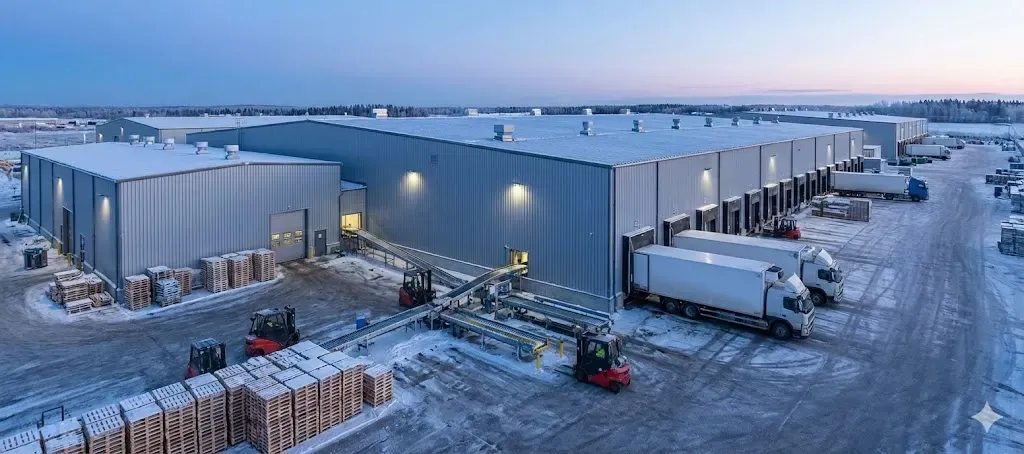
Cold Storage & Warehousing
Poor air balance impacts temperature stability and product quality.
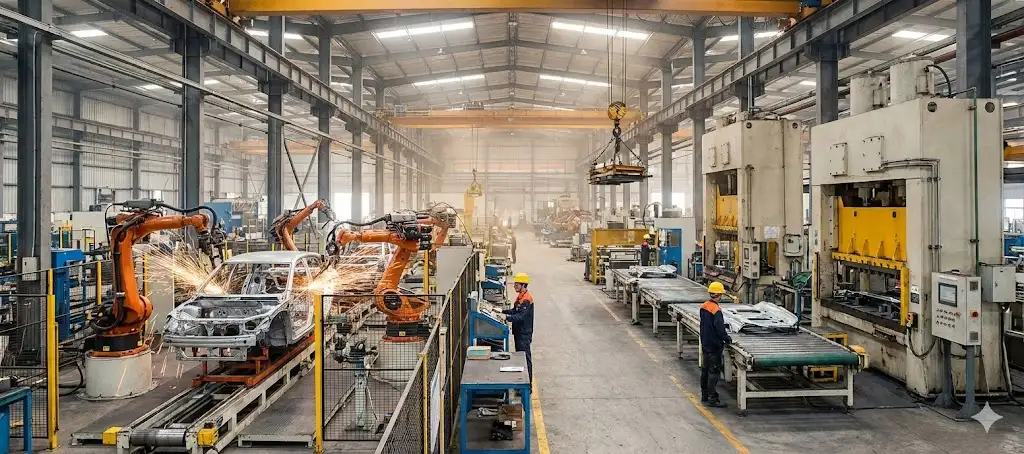
Industrial Manufacturing
Production lines suffer when airflow disrupts controlled processes.

Government & Institutional Buildings
Public spaces lose comfort when system pressure is inconsistent.
Applications
Areas where frequent door movement control is essential:
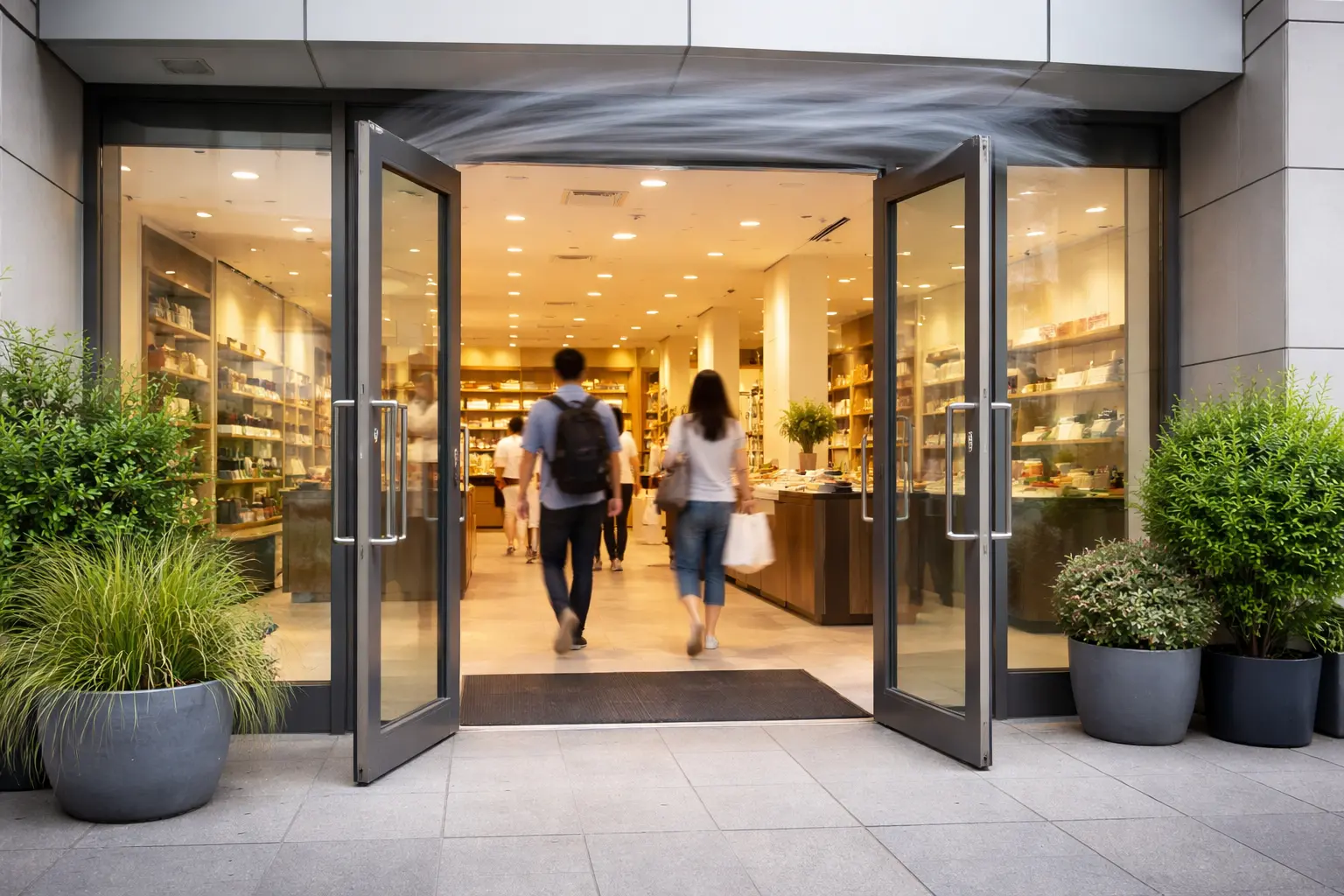
Main entrances and storefronts

Kitchen zones facing Frequent door usage problem causing dust or pollutant spread
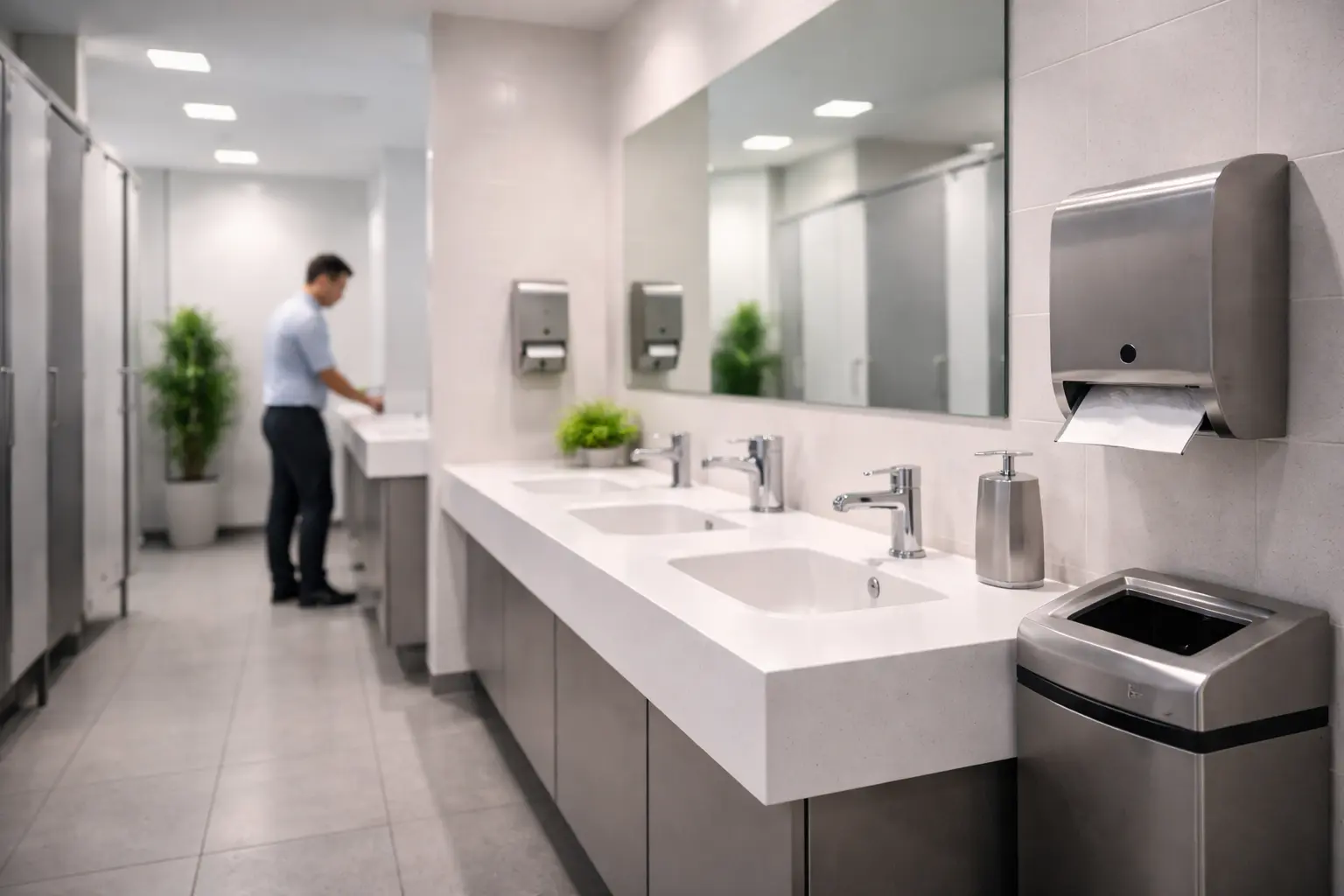
Washrooms needing airflow balance to reduce Frequent door usage problem impact

Clean rooms sensitive to risks from Frequent door usage problem
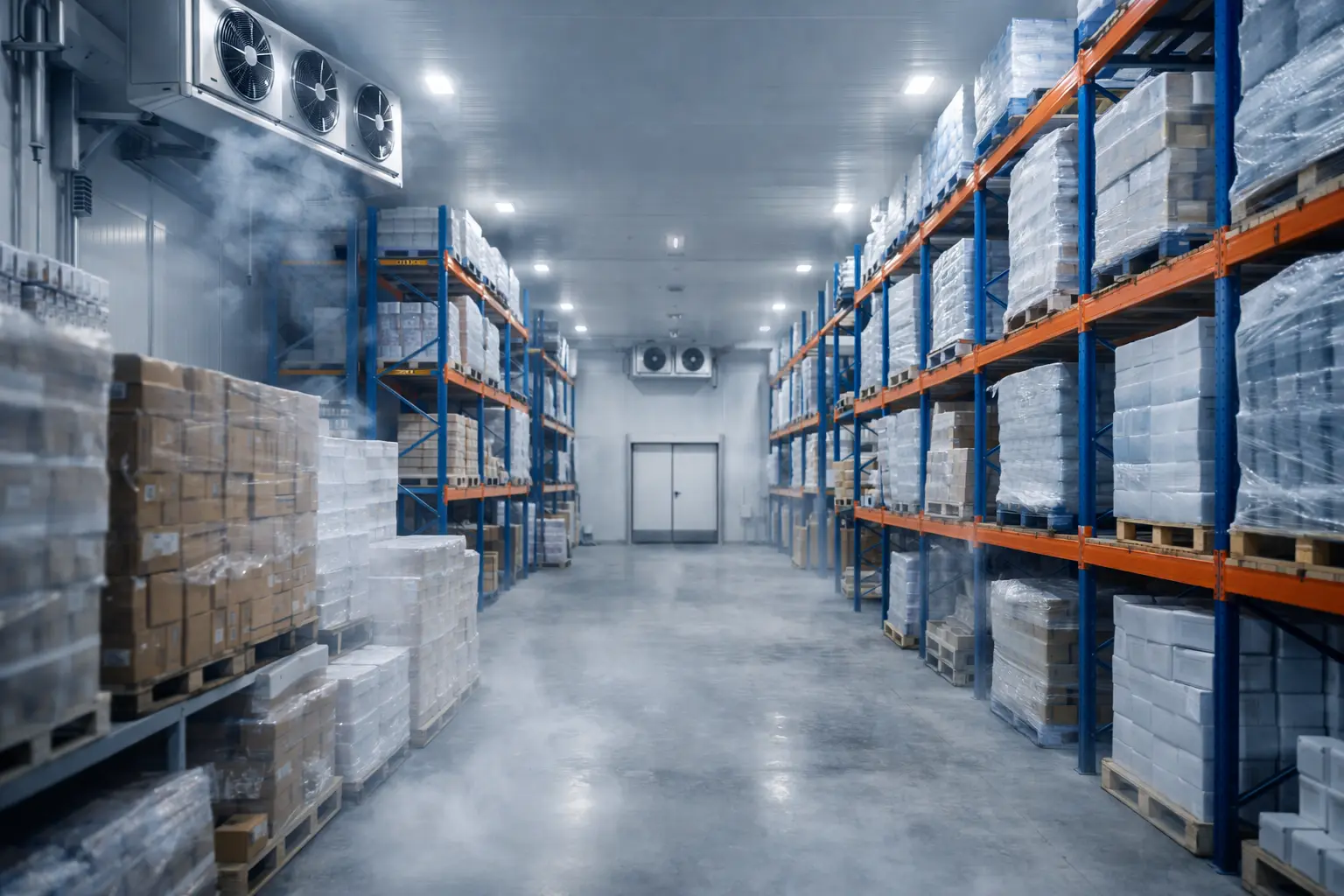
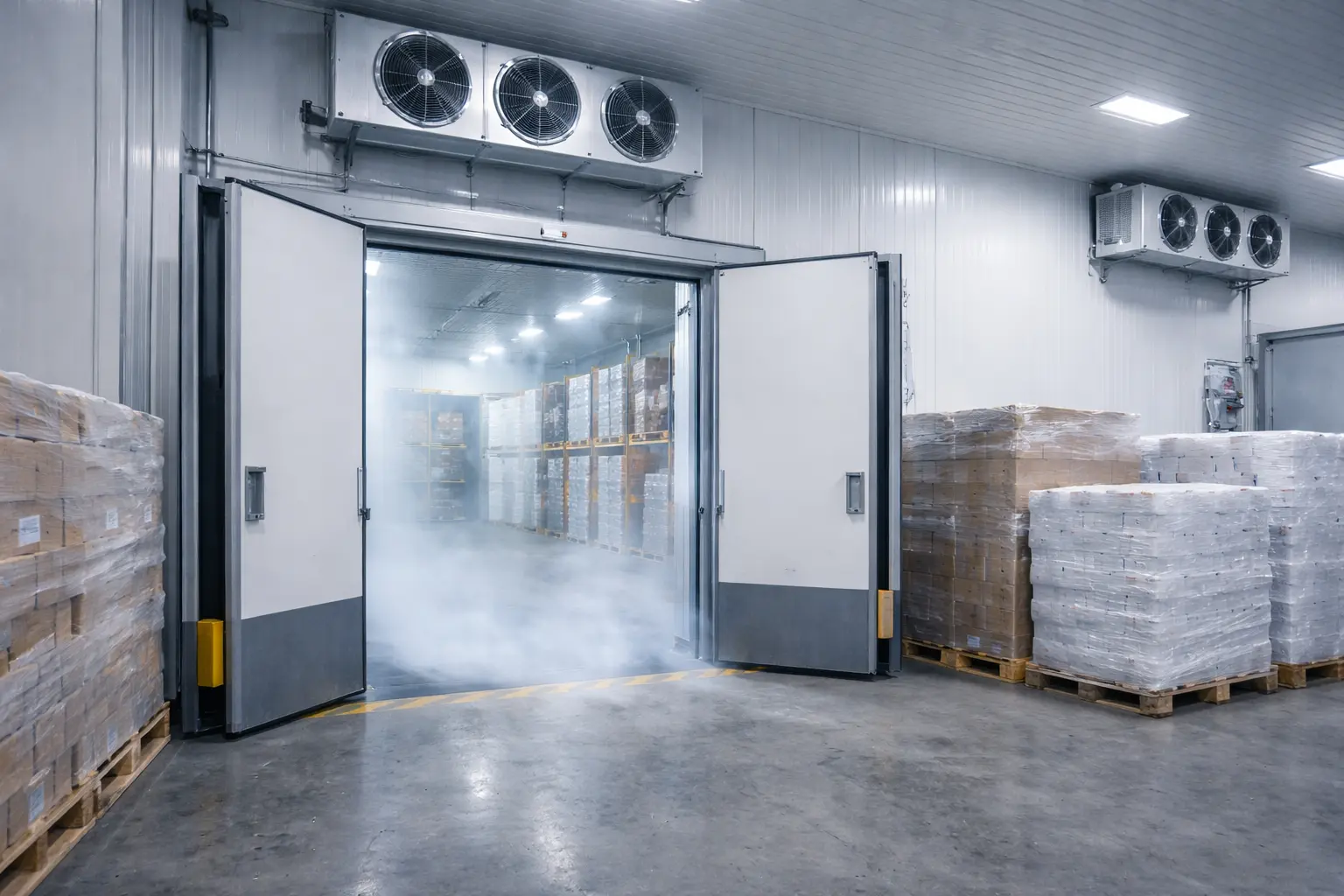
Cold storage entries needing control to limit Frequent door usage problem
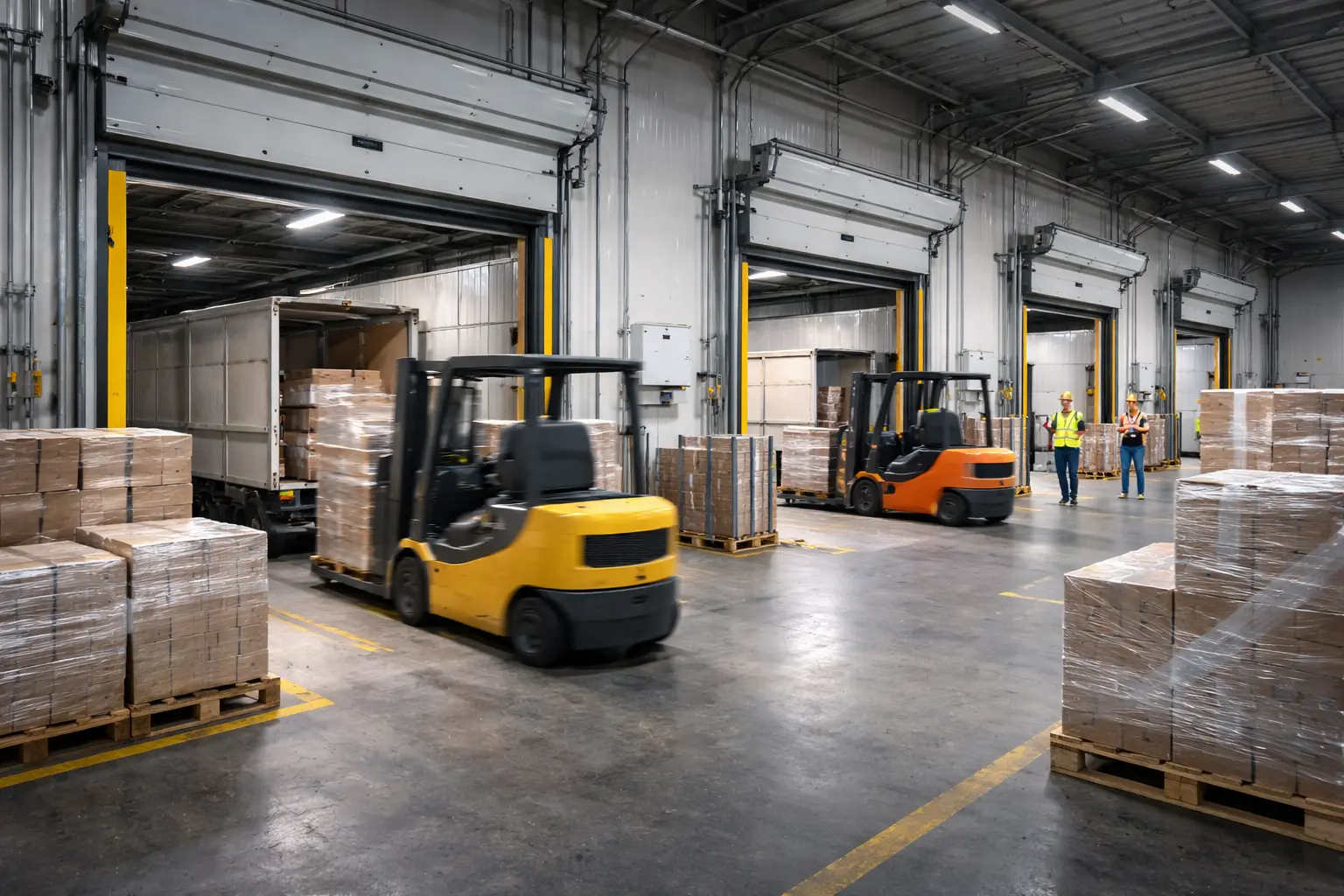
Industrial docks vulnerable to Frequent door usage problem spread
Customer zones where Frequent door usage problem affects comfort
Main entrances and storefronts
Kitchen zones facing Frequent door usage problem causing dust or pollutant spread
Washrooms needing airflow balance to reduce Frequent door usage problem impact
Clean rooms sensitive to risks from Frequent door usage problem
Cold storage entries needing control to limit Frequent door usage problem
Industrial docks vulnerable to Frequent door usage problem spread
Customer zones where Frequent door usage problem affects comfort
FAQs
Answers to common Frequent door usage problem questions
• Yes. They help maintain stable airflow and hygiene.
• Yes. They work well during high-frequency use.
• Regular cleaning and airflow checks are advised.
• About 3.0–3.5 m/s; lower speeds may reduce performance.
Continuous Expert Support for Frequent door usage problem
On-call guidance, system checks, and quick technical assistance